
How to Track Expenses: What 10 Years of Doing It Taught Me

Summary
- Recording every purchase gave me the real cost of running my life and made larger financial decisions easier.
- The habit takes about ten seconds per purchase and twenty minutes each month to organize.
- Use broad, consistent categories and optimize for a record you will maintain, not a perfect budget you will abandon.
Ten years ago I started writing down every purchase on my phone, about ten seconds each. That record is how I knew when work had become optional. Three months after I left, it is also how I caught my spending running about 30% above the budget I had built from it.
None of that began with a perfect budget. It began with knowing exactly where each paycheck went, which told me how much I could invest, how large a cash reserve I needed, and what it actually costs to run my life.
What I record
Every time I spend money, I jot it down in an app on my phone.
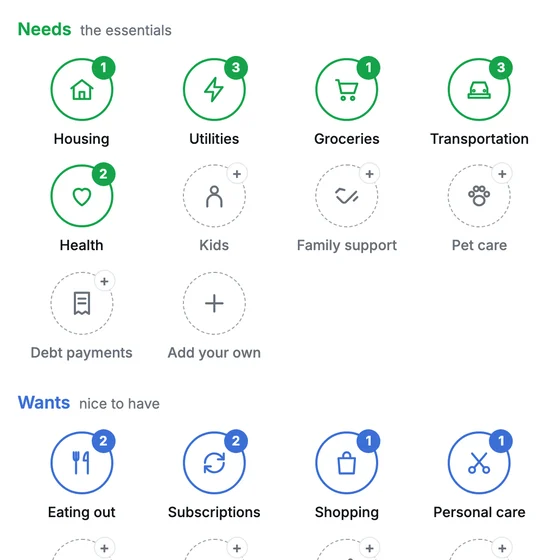
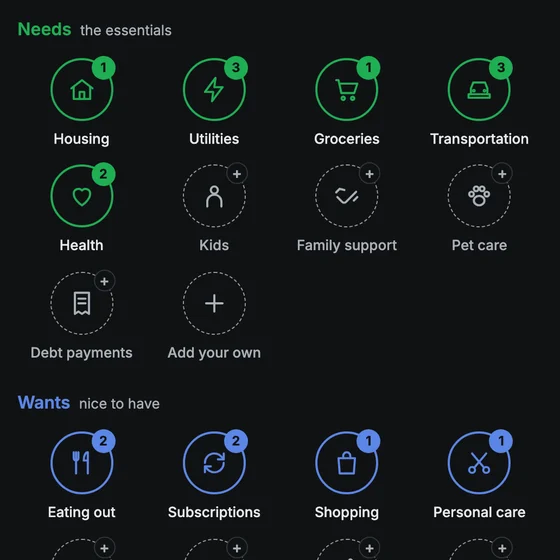
I keep the categories broad: rent and utilities, food (groceries, delivery, and restaurants), vacations, shopping, insurance, health, and other occasional expenses. Once a month, I move the data into Google Sheets so I can compare it with my financial goals. That takes around 20 minutes. On the first of the month I often pay my credit cards early too, so the new month starts from a clean slate.
Manual entry is deliberate. I use Money Manager because it gives me control over the categories and keeps me conscious of each purchase. I am not affiliated with it. Any simple app or spreadsheet can do the job.
To start your own, build a tracker with your categories and save it for Excel or Google Sheets.
What the record changed
The record separates what my life costs from what any one month happens to cost. It shows which expenses are essential, which are discretionary, and which are genuinely one-time.
It helps me allocate the right amount of each paycheck between that month’s expenses and investing. Tracking it religiously means that if I overspend one month, I can still meet my annual budget by reallocating money from future months.
I also annualize irregular expenses such as travel, large purchases, and insurance. A single expensive month can look alarming on its own. Looking at the full year gives me a much more useful picture.
The habit gives me peace of mind too. When I have to buy something, I know I do not have to stress about it because it is already within my planned budget. For a big purchase, I also work out how many months of savings it takes to replace and set a limit before I shop.
Here is what the longer record looks like. I indexed the chart to my 2018 monthly average, so the dollar amounts stay private.
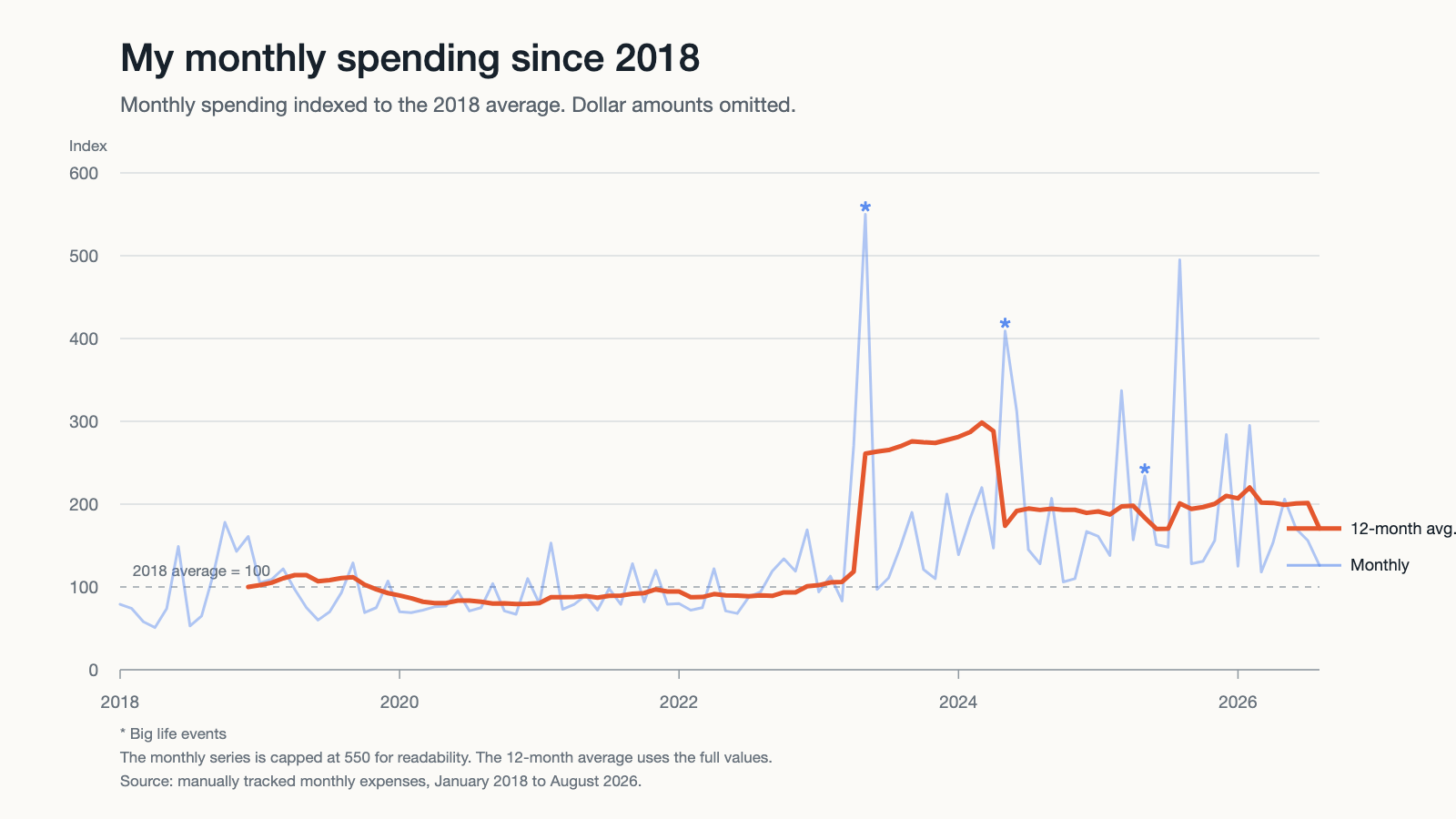
Some months are spikier than others, especially during big life events. The 12-month average is much smoother and gives a clearer idea of the range. It is not perfect, but it is more useful for planning than any single month.
What the record cannot predict
The longer history has shown me how spending changes as life changes. Marriage affected what I spent on housing, food, and shopping. Inflation played a role too. Past spending cannot predict everything that comes next, but it gives me a much better starting point than guessing.
That limitation became especially clear when my spending rose after I left work. The history gave me a baseline, but it could not predict a life I had not lived yet.
The record is a baseline, not a prophecy. Its value is that when reality changes, I can see the change instead of wondering where the money went.
How to start tracking your expenses
If you want to try it, start with broad categories and record each expense when it happens. After a few months, you will have enough of your own data to start building a budget around how you actually live.
You do not need ten years of history before the habit becomes useful. Three months can expose a recurring cost you underestimated. A full year can absorb travel, insurance, and other irregular bills. More time makes the baseline steadier.
Once you know what it costs to run your life, larger decisions become less abstract. You can decide how much cash runway to keep, how much you can invest, and how much income would make work optional. That is what ten seconds a purchase eventually bought me.