
Pet Insurance Waiting Period: Our $10,000 Vet Bill
Summary
- We bought pet insurance before bringing Chandi home, but a waiting period left her first emergency uncovered.
- Two nights in the hospital produced a bill of about $10,000 within days of her arrival.
- Read the waiting periods and exclusions before coverage starts, and keep emergency cash even after buying a policy.
About two years ago, my wife and I started talking seriously about getting a cat. In July 2025, we finally brought home our first pet together: a tiny Bengal kitten named Chandi.
Within days, she was in an emergency hospital.
She weighed about three pounds. There were tubes attached to her little body, the veterinary team was running test after test, and we were standing there feeling completely helpless.
The eventual bill was about $10,000.
The painful part was that we had bought pet insurance before Chandi came home. We thought we had been responsible. We thought we were covered.
We had missed the waiting period.
A very small passenger from France
My wife loves animals. Cats, dogs, all good babies. Unfortunately, she has also been allergic to cats for most of her life.
She was already following an allergy treatment plan when one of her friends offered us a kitten from an accidental litter. We had originally expected to adopt a rescue, but these kittens also needed homes, and the timing felt right.
Her friend already had two Bengals, so we had spent a few weeks around them before making the decision. It gave us a chance to see how my wife’s allergies responded and, just as importantly, whether we actually enjoyed living with cats.
We loved it.
Bengals are curious, playful, and determined to participate in everything happening around them. We felt ready to bring one home.
No cat breed is truly hypoallergenic.1 But my wife was already on an allergy treatment plan, and spending time with her friend’s Bengals helped us feel comfortable taking the next step.
Chandi was four months old and coming from France. My wife’s friend was already traveling from Europe and picked her up along the way.
It was an awfully long trip for such a tiny passenger.
We spent the days before her arrival doing what excited first-time pet owners do. We bought toys, food, beds, and several things that I am sure Chandi never asked for. We had also researched pet insurance, chosen a policy, and purchased it the day before she arrived.
We felt prepared.
We fell in love with her immediately. That first night, Chandi curled up beside my wife and slept until morning. It felt as if a large bird had flown across the ocean and delivered a little baby to our house, just like in the stories.
For one night, everything was perfect.
Something was wrong
Over the next few days, Chandi barely ate or drank. She would occasionally accept a treat, but not much else.
At first, we told ourselves that she was tired. She had been through a long flight, left everything familiar behind, and landed in a strange home with two people following her around anxiously.
But a kitten her age should have been running, playing, and trying to eat everything. Chandi mostly looked exhausted.
By the third day, we were scared.
We had not even had enough time to find a regular veterinarian yet. We called SAGE, the emergency veterinary hospital, and took her in.
The veterinary team told us that Chandi needed to be hospitalized immediately. She needed fluids, monitoring, and a series of tests.
There was no debate between my wife and me. We said yes.
That did not make it easy to leave her. Chandi was so small that the medical equipment around her seemed enormous. Watching someone carry her away while we went home without her was heartbreaking.
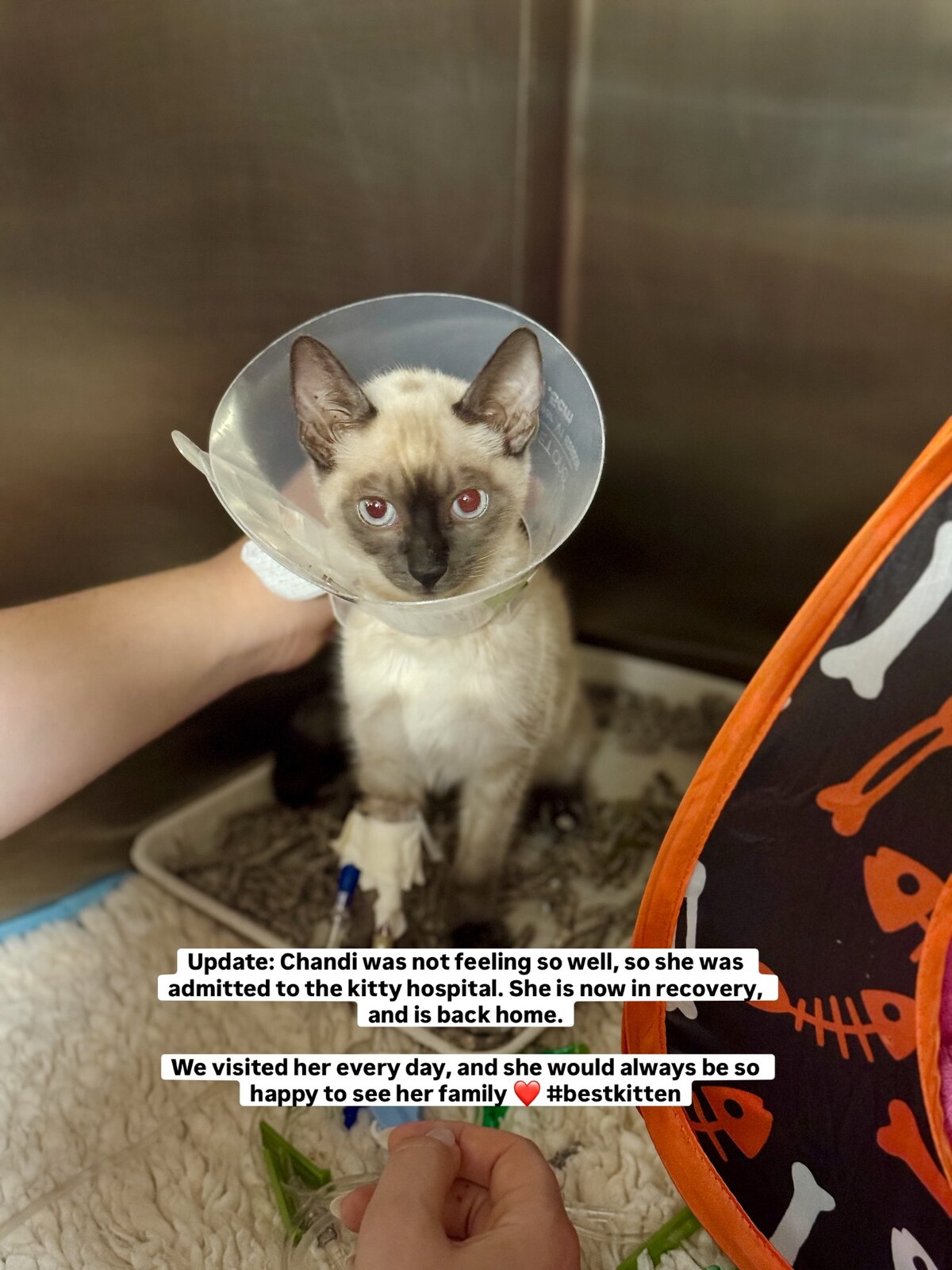
She stayed in the hospital for two days. The tests eventually found a gastrointestinal infection that we remember as Tritrichomonas, often shortened to “tritrich.” She would need medication and plenty of care at home.
When she came back, my wife and I took turns working from home so one of us could always be with her. We watched every bite of food and every sip of water. Slowly, she began eating again. Then she started playing. Then she began making it very clear that she had opinions about how her meals should be served.
That was when we knew our girl was feeling better.
She remains a diva today. She likes certain foods, wants her treats presented correctly, and will happily send a meal back to the kitchen if it fails inspection.
We are apparently the kitchen.
What the pet insurance waiting period meant for us
Once Chandi was safe at home, we had time to look at the bill.
Her emergency care cost us about $10,000.
The policy had a 15-day waiting period. We had bought it the day before Chandi arrived, and we were only a few days into that period when she needed treatment. Her care was not covered.
That distinction had never occurred to us.
Pet insurance policies can have different waiting periods, deductibles, reimbursement rules, and exclusions.2 Our mistake was assuming that the purchase date and the coverage date were the same.
They were not, and the days between them happened to contain the most expensive veterinary visit Chandi has ever needed.
I wish we had bought the policy a few weeks earlier. More than that, I wish we had read it with one simple question in mind:
If something happens tomorrow, are we covered?
The emergency fund did its job
Thankfully, our emergency fund could cover the bill. I have written before about why I keep a large cash reserve available. Chandi’s hospital stay was exactly the kind of surprise that money was there to handle.
That money meant we could focus on Chandi and pay for the care she needed without worrying about a credit-card limit or deciding which investments we could sell quickly.
After she recovered, we made one more change. My wife and I opened a joint account just for Chandi and began putting part of our paychecks into it every month.
Its purpose is to grow during the quiet months. If Chandi needs care that insurance does not cover, we have money set aside for her.
It is her own emergency fund.
Three things I would tell a new pet owner
If a friend were bringing home a pet for the first time, I would tell them three things.
- 01
Buy the insurance early
Read the actual policy and find the date coverage begins, not only the date your first payment leaves the account.
- 02
Keep cash for the pet
The amount will be different for everyone. What matters is having somewhere to turn when insurance does not pay the whole bill.
- 03
Choose a vet before you need one
Find a regular veterinarian and the nearest emergency hospital while you can still do the research calmly at home.
And then love the little baby completely. That part is easy.
Our first week with Chandi cost much more than we expected. It also showed us, very quickly, that she was part of our family. The money mattered, and the lesson mattered. This is why I write about personal finance through real decisions and mistakes. But there was never a moment when we wished we had made a different decision about her care.
A little over a year later, Chandi is healthy, playful, and still very particular about her food.
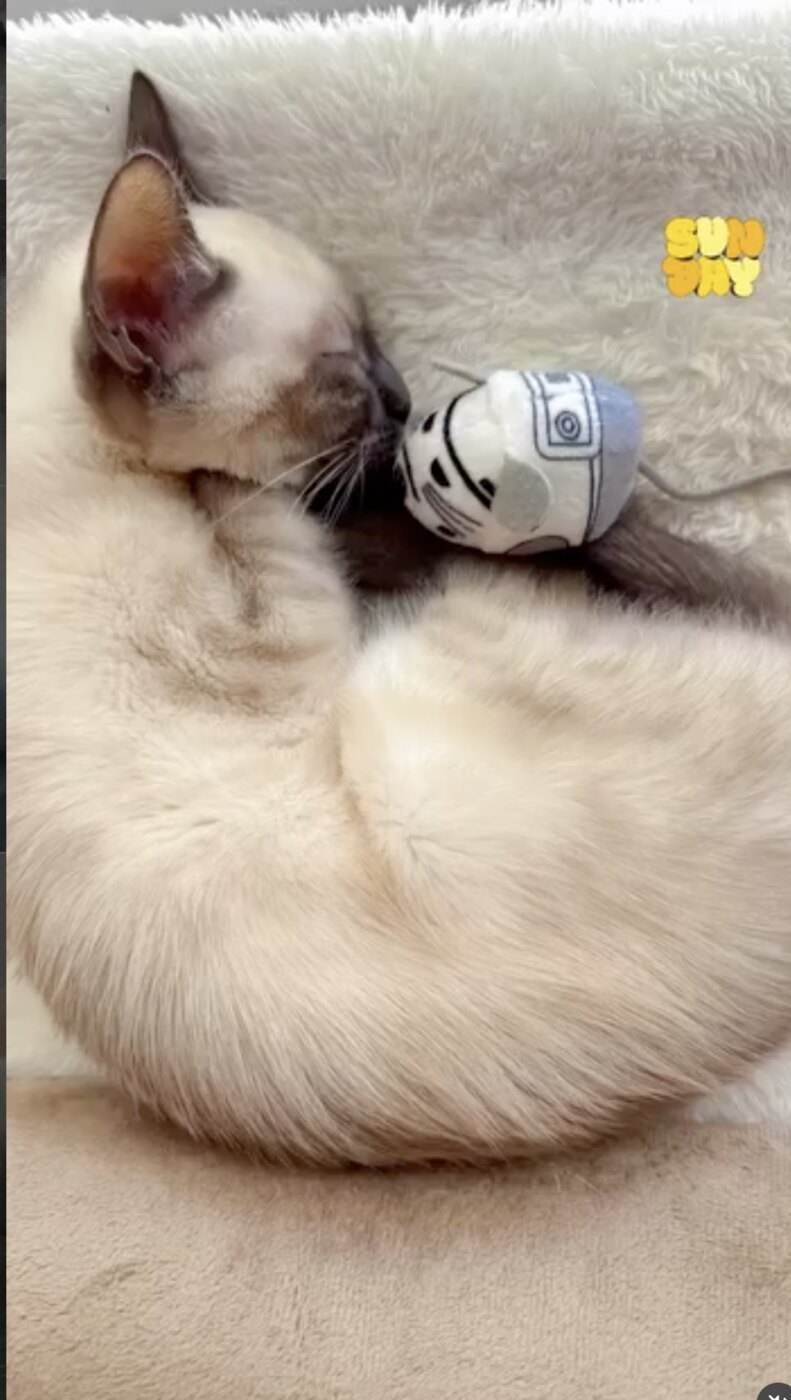
If you would like to meet her, she has her own Instagram account, because of course she does.
We merely manage it for her.
Sources
- 1AAAAI. Pet allergy
- 2California Department of Insurance. Questions to consider when buying pet insurance
All sources checked September 20, 2026.